A Reflection on Mercy Charism as I Prepare for “In Catherine’s Boots: A Mercy Pilgrimage to Ireland”
By Theresa Gannon, Middle School Director at Waldron Mercy Academy “Wouldn’t it be great if…

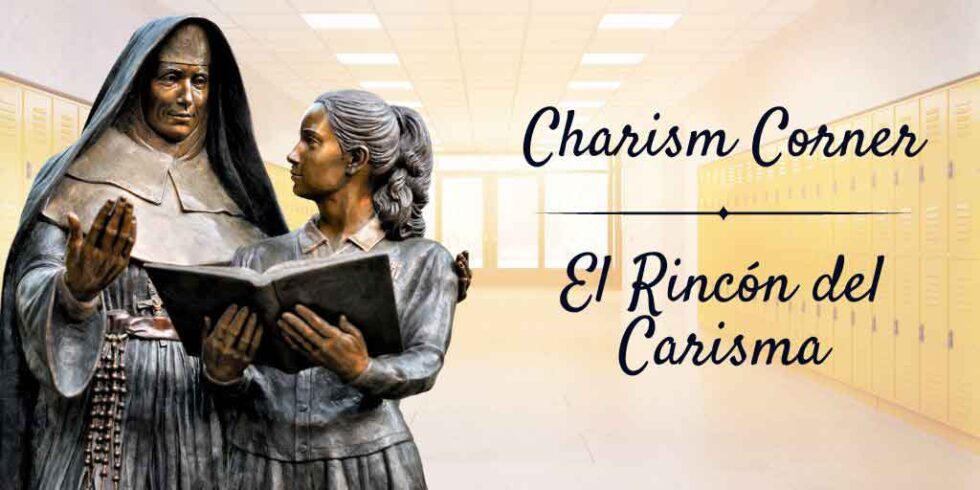
Traci Smith, Director of Diversity, Equity, Inclusion, and Belonging
Mercy High School, Farmington Hills, MI
 As my 6th year as the Director of Diversity, Equity, Inclusion, and Belonging (DEIB) at Mercy High School in Farmington Hills, Michigan, comes to a close, I often return to Catherine McAuley’s words. Her vision was not abstract or sentimental; it was grounded, urgent, and deeply attuned to human dignity. When our work is complex, and conversations are difficult, her clarity brings me back to what matters most: human dignity.
Catherine reminds us, “The poor need help today, not next week.” We need that sense of urgency, especially in a school community. When a student feels unseen, when harm takes place, or when tensions surface, we cannot afford to delay care. Whether facilitating restorative meetings when conflicts arise, listening to student concerns through the Human Relations Council (HRC), or supporting a family navigating a challenge, we see that Mercy is active. It responds. It moves toward people, not away from them.
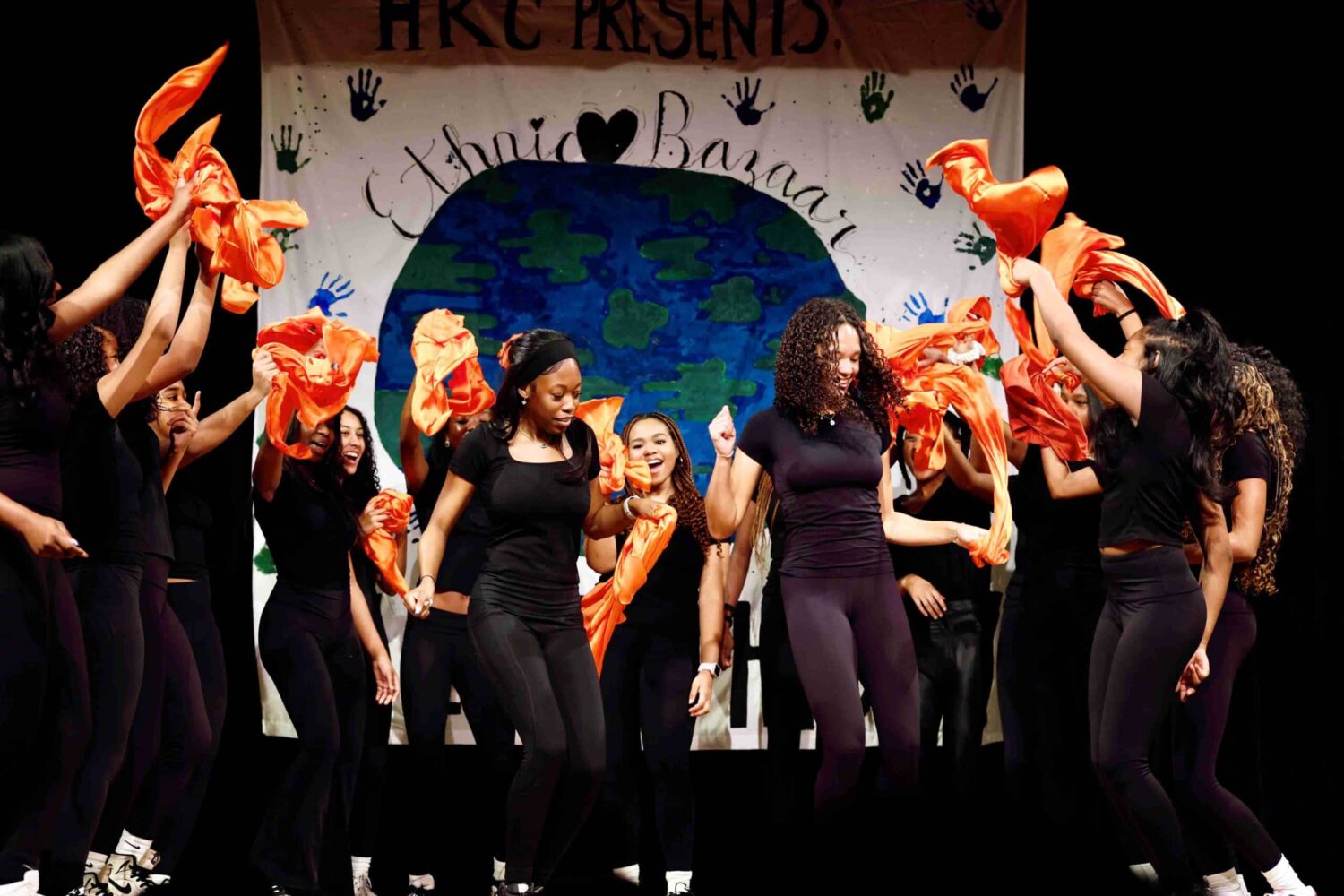
She also encouraged her sisters to be “shining lamps, giving light to all around us.” I am reminded of this often during the many cultural events at Mercy – Farmington Hills: our Black History Month Assembly; the Ethnic Bazaar, where students share their culture through dance, music, art, and food; and the many moments when students proudly share their stories and traditions throughout the school year. These events are more than celebrations; they are affirmations. They communicate to our students and families: You belong here. Your story matters here. A lamp does not decide who is worthy of light; it just shines. We intend for every student to experience that light in our classrooms, hallways, and leadership spaces.
Catherine’s wisdom was also grounded in growth. “Resolve to be good today, but better tomorrow,” she wrote. That spirit guides our staff development and formation. Diversity and belonging work requires humility. It asks us to listen carefully, reflect honestly, and continually strengthen our ability to create inclusive learning environments. We are not striving for perfection; we are committing to progress together.
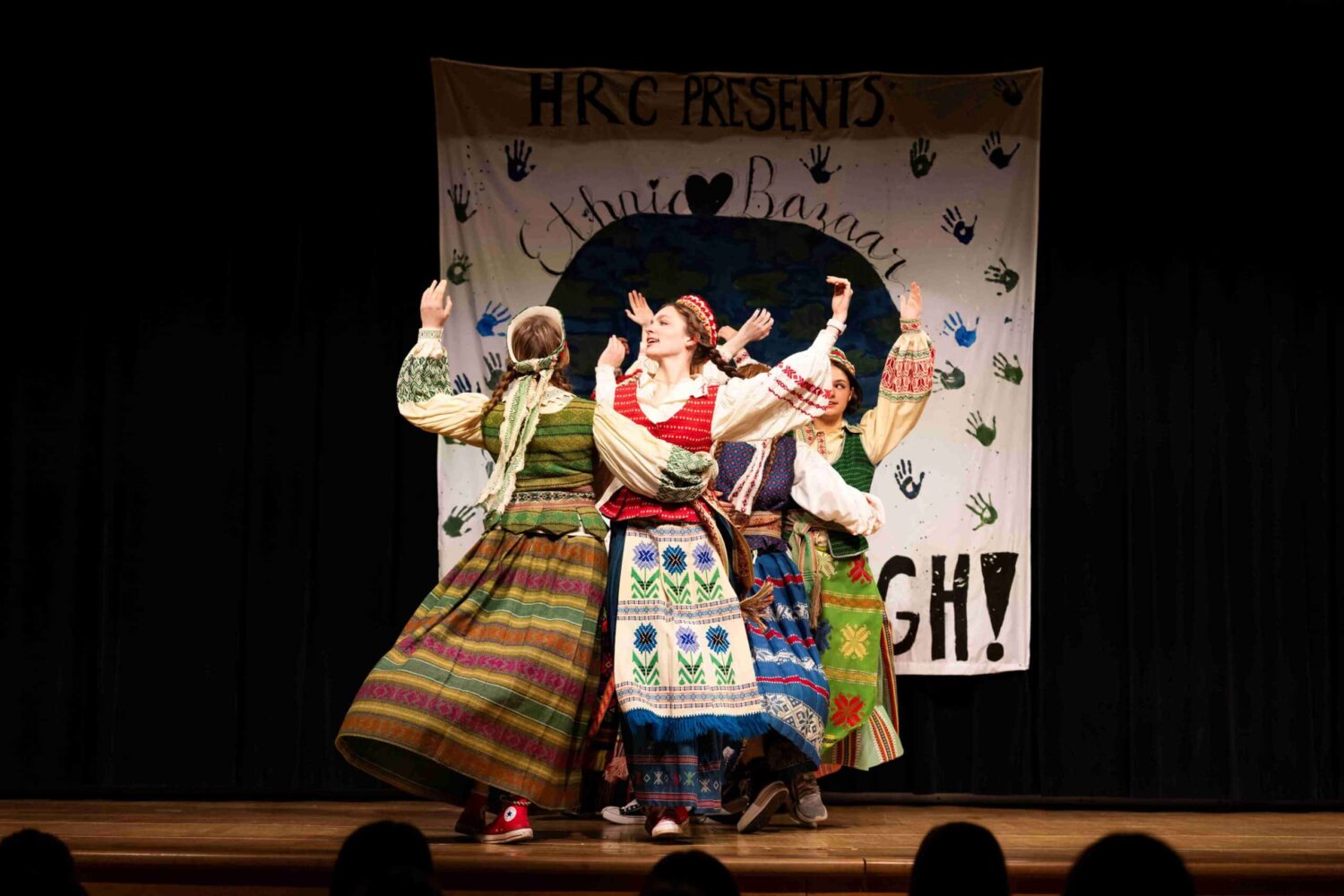
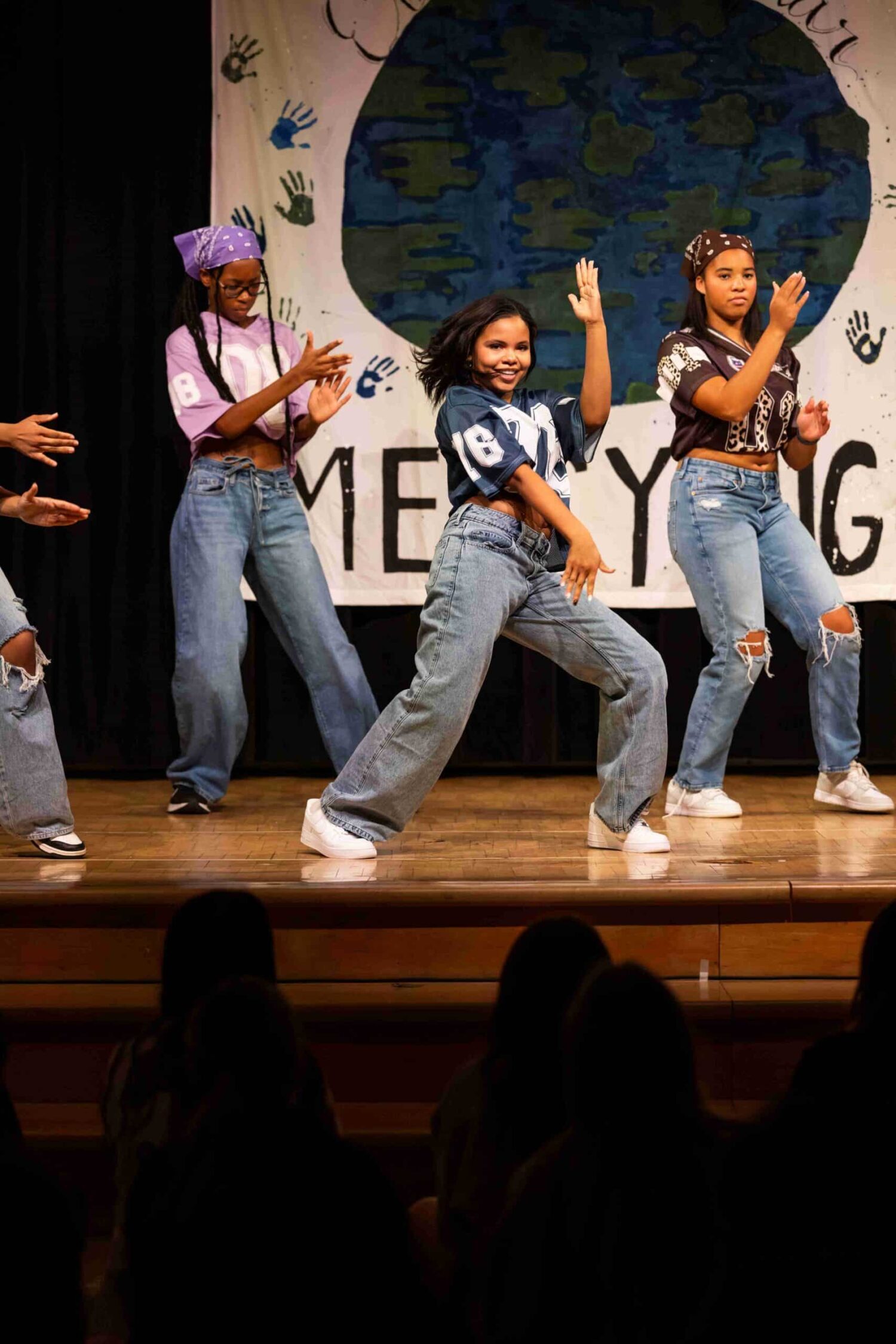
At Mercy-Farmington Hills, we speak of forming Women Who Make a Difference; it’s our tagline. I witness that mission in action when students lead throughout our school community and clubs, when they courageously lend their voices at assemblies, when they choose dialogue over division, and when they advocate for one another. Making a difference does not always look dramatic. Often, it begins with noticing who has been left out and choosing to widen the circle. We want to continue to widen the circle of Mercy.
Mercy has always been more than a feeling; it is something we practice. I also want to acknowledge that it is not an easy practice. In many ways, we go against prevailing cultural norms and can receive criticism for doing so, just as Catherine did in her day. However, Catherine encourages us to “carry, not drag our crosses.” We must practice not “grow[ing] weary in doing good” (Galatians 6:9). We have to trust God as we move forward, living and being Mercy with a positive, graceful attitude. Catherine set a high bar, and so does our God.
We are to be Mercy in our policies, in our programming, in our restorative conversations, and in our everyday interactions; we are invited to live out Catherine’s legacy. When dignity is protected, and belonging is nurtured, we are not simply advancing an initiative—we are deepening our identity as a Mercy community and forming women who will carry that spirit into the world. We are forming Women Who Make a Difference.